
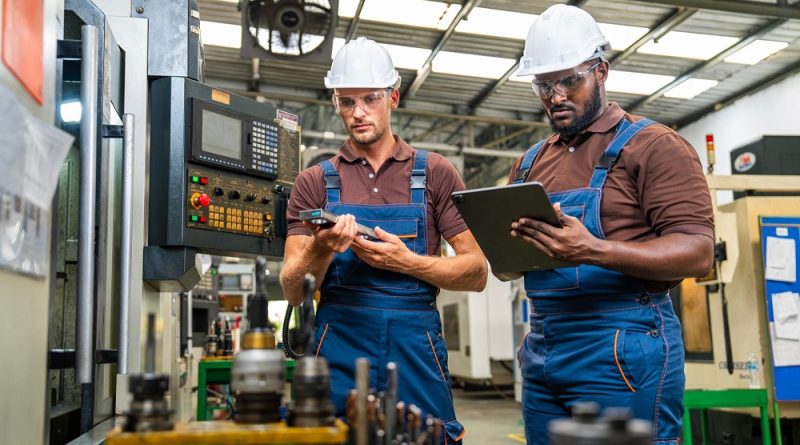
Industrial Safety Regulations Protecting Worker Wellbeing
Introduction
Industrial environments such as manufacturing plants, construction sites, warehouses, and energy facilities present a wide range of risks. Heavy machinery, hazardous materials, high temperatures, and physically demanding tasks all contribute to potential workplace dangers. To address these risks, industrial safety regulations have been established to protect workers and create safer working conditions.
These regulations are not merely legal requirements. They are essential frameworks designed to prevent accidents, reduce injuries, and promote long term health and wellbeing. Organizations that prioritize safety not only protect their employees but also improve productivity, reduce costs, and build a strong reputation. This article explores the role, importance, and implementation of industrial safety regulations in safeguarding workers.
Understanding Industrial Safety Regulations
Industrial safety regulations are rules and standards developed by governments and regulatory bodies to ensure safe working conditions in industrial settings. These regulations define how workplaces should operate, what safety measures must be in place, and how risks should be managed.
Key Objectives
- Prevent workplace accidents and injuries
- Protect workers from exposure to hazards
- Promote a culture of safety and accountability
- Ensure compliance with legal standards
These objectives aim to create environments where workers can perform their duties without unnecessary risk.
Importance of Worker Wellbeing
Worker wellbeing extends beyond physical safety. It includes mental health, job satisfaction, and overall quality of life.
Benefits of Prioritizing Wellbeing
- Reduced injury and illness rates
- Higher employee morale
- Increased productivity
- Lower absenteeism and turnover
When employees feel safe and supported, they are more engaged and motivated.
Common Workplace Hazards in Industrial Settings
Understanding potential hazards is the first step in preventing accidents.
Physical Hazards
- Heavy machinery and equipment
- Falling objects
- Slippery surfaces
Chemical Hazards
- Exposure to toxic substances
- Inhalation of harmful fumes
- Skin contact with hazardous materials
Ergonomic Hazards
- Repetitive motions
- Poor posture
- Heavy lifting
Environmental Hazards
- Extreme temperatures
- Noise pollution
- Poor ventilation
Industrial safety regulations address each of these hazards through specific guidelines and requirements.
Key Components of Industrial Safety Regulations
Risk Assessment and Hazard Identification
Employers must identify potential risks and assess their impact.
- Conduct regular inspections
- Analyze work processes
- Implement preventive measures
Personal Protective Equipment
Workers must be provided with appropriate protective gear.
- Helmets and gloves
- Safety goggles
- Respirators and protective clothing
Proper use of equipment significantly reduces the risk of injury.
Training and Education
Employees must be trained to understand and follow safety procedures.
- Safety drills and simulations
- Equipment handling training
- Emergency response preparation
Training ensures that workers know how to respond in hazardous situations.
Safety Signage and Communication
Clear communication is essential for maintaining safety.
- Warning signs for hazardous areas
- Instructions for equipment use
- Emergency exit indicators
Effective communication helps prevent confusion and accidents.
Role of Employers in Ensuring Safety
Employers are primarily responsible for maintaining safe workplaces.
Employer Responsibilities
- Comply with safety regulations
- Provide necessary safety equipment
- Conduct regular training sessions
- Monitor workplace conditions
Employers must actively promote a culture where safety is a priority.
Role of Employees in Workplace Safety
Safety is a shared responsibility. Employees also play a critical role.
Employee Responsibilities
- Follow safety guidelines
- Use protective equipment properly
- Report hazards and incidents
- Participate in training programs
Active participation from employees strengthens overall safety efforts.
Benefits of Compliance with Safety Regulations
Compliance offers both human and business advantages.
Improved Safety Outcomes
- Fewer accidents and injuries
- Healthier work environment
Financial Benefits
- Reduced medical and compensation costs
- Lower insurance premiums
Enhanced Reputation
- Builds trust with employees and stakeholders
- Attracts skilled workers
Organizations that comply with safety standards often perform better overall.
Impact of Technology on Industrial Safety
Technology is transforming how safety is managed in industrial environments.
Modern Safety Technologies
- Wearable devices to monitor worker health
- Sensors to detect hazardous conditions
- Automated systems to reduce human exposure
These innovations improve real time monitoring and risk prevention.
Challenges in Implementing Safety Regulations
Despite their importance, implementing safety regulations can be challenging.
Common Challenges
- High cost of compliance
- Resistance to change
- Lack of awareness or training
Organizations must address these challenges to ensure effective implementation.
Creating a Safety First Culture
A strong safety culture goes beyond compliance.
Key Elements of a Safety Culture
- Leadership commitment
- Open communication
- Continuous improvement
When safety becomes part of the organizational mindset, compliance becomes more effective.
Emergency Preparedness and Response
Preparedness is critical for minimizing the impact of accidents.
Essential Measures
- Emergency evacuation plans
- First aid training
- Availability of safety equipment
Quick and effective responses can save lives and reduce damage.
Continuous Monitoring and Improvement
Safety is an ongoing process that requires regular evaluation.
Methods for Improvement
- Regular audits and inspections
- Reviewing incident reports
- Updating safety policies
Continuous improvement ensures that safety measures remain effective.
Global Perspective on Industrial Safety
Different countries have their own safety regulations, but the core principles remain similar.
Common Global Standards
- Worker protection
- Risk management
- Employer accountability
Global collaboration helps improve safety practices worldwide.
Future Trends in Industrial Safety
Increased Use of Automation
Automation will reduce human exposure to hazardous tasks.
Data Driven Safety Management
Analytics will help predict and prevent accidents.
Focus on Mental Health
Wellbeing initiatives will include mental health support alongside physical safety.
These trends indicate a more comprehensive approach to worker wellbeing.
Conclusion
Industrial safety regulations play a vital role in protecting worker wellbeing. They provide a structured approach to identifying risks, preventing accidents, and promoting a safe working environment. While compliance is essential, the true value lies in creating a culture where safety is deeply embedded in every aspect of operations.
Organizations that prioritize safety not only protect their employees but also enhance productivity, reduce costs, and build long term success. In a world where industrial activities continue to expand, maintaining strong safety standards is more important than ever.
Frequently Asked Questions
1. Why are industrial safety regulations important?
They help prevent accidents, protect workers, and ensure safe working conditions.
2. What is the role of personal protective equipment in safety?
It reduces exposure to hazards and minimizes the risk of injury.
3. How often should safety training be conducted?
Training should be conducted regularly and updated whenever new risks or equipment are introduced.
4. What are the consequences of non compliance with safety regulations?
Consequences include legal penalties, financial losses, and increased risk of accidents.
5. How can small businesses implement safety regulations effectively?
By focusing on basic safety measures, training employees, and gradually improving systems.
6. What is a safety culture?
It is an organizational mindset where safety is prioritized and integrated into daily operations.
7. How does technology improve workplace safety?
Technology enables real time monitoring, hazard detection, and automation, reducing risks for workers.